
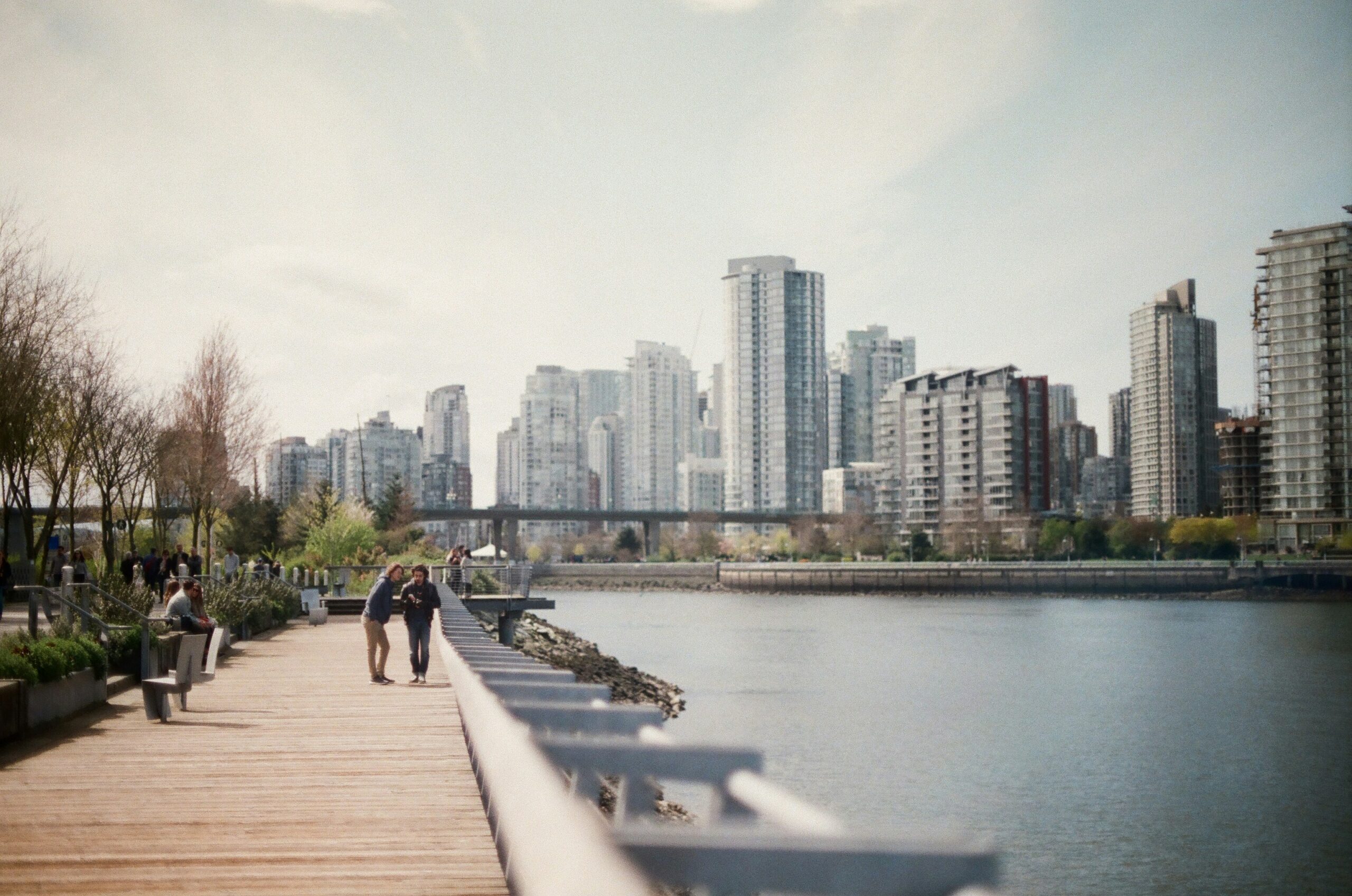
Choosing a home base in the city usually comes down to the vibe you want to wake up to. While many visitors prefer the quiet, tree-lined streets of the West End, spending an afternoon or evening in Yaletown is a must for any Vancouver itinerary.
Yaletown is best for visitors looking for upscale dining, vibrant nightlife, elevated outdoor patios, and highly walkable boutique shopping. The West End is better for travelers seeking quieter evenings, easy beach access, and immediate proximity to Stanley Park.
Once the western terminus for the Canadian Pacific Railway, Yaletown’s sprawling brick warehouses and loading docks have been beautifully preserved. Today, it is lively, stylish, and easily accessible from anywhere downtown.
Quick Answer: Is Yaletown Worth Visiting?
Yes. Yaletown is one of Vancouver’s most popular neighbourhoods for outdoor patios, boutique shopping, nightlife, and waterfront walks along False Creek. Located just south of downtown Vancouver, it combines historic brick warehouses with modern high-rise living and is easy to explore on foot.
What Yaletown Is Known For in Vancouver
When you walk into Yaletown, the aesthetic shifts immediately. The modern glass high-rises of downtown give way to heritage red-brick buildings, particularly concentrated along Mainland and Hamilton Streets. This corridor is the heartbeat of the neighbourhood.
This unique architectural blend didn’t happen by accident. Yaletown is widely considered the birthplace of “Vancouverism”—an internationally recognized urban planning style introduced after the Expo 86 world fair. The design features tall, slender glass residential towers set upon historic brick podiums, ensuring the area accommodates a dense, bustling population while maintaining sunlit, pedestrian-friendly streets below.
Yaletown is famous for its patio culture. Those historical loading docks have been repurposed into the city’s best outdoor dining spaces. During the warm summer months, these elevated patios are packed with locals enjoying happy hour oysters, craft cocktails, and people-watching. Beyond dining, Yaletown is a hub for independent boutique shopping, high-end salons, and wellness studios.
While Yaletown is lively year-round, the neighbourhood is at its best from late spring through early fall, when patios are full, the seawall is busy with cyclists and walkers, and the waterfront parks come alive with locals enjoying the sunshine.
Things to Do in Yaletown Near False Creek
Beyond the brick streets and bustling nightlife, Yaletown sits right on the edge of False Creek. The seawall here is wide, flat, and perfect for a morning run or a leisurely afternoon bike ride.
For a dose of local history right off the seawall, step inside the Roundhouse Community Arts & Recreation Centre. This beautifully restored brick train shed is home to Engine 374, the very first transcontinental passenger train to pull into Vancouver in 1887. Admission is free, making it a perfect quick detour for families or history buffs before heading out to enjoy the water views.
Walking along the water, you will pass David Lam Park and George Wainborn Park—two beautiful, sprawling green spaces filled with locals hosting picnics, playing sports, and soaking up the sun (especially when the cherry blossoms bloom in spring).
Getting to Yaletown is easy from The Sunset, located in Vancouver’s West End. The neighbourhood is approximately a 15-minute walk from the hotel, a scenic stroll along the False Creek seawall, or a short taxi ride away. Yaletown is also served by Yaletown-Roundhouse Station on the Canada Line, providing direct connections to Vancouver International Airport (YVR), Waterfront Station, and Richmond.
Just steps from the seawall is the Quayside Marina. From here, you can hop on a tiny, rainbow-painted Aquabus ferry for a scenic, five-minute ride directly across the water to the famous Granville Island public market. It is a quintessential Vancouver experience and the best way to travel between the two neighbourhoods.
Yaletown is also one of the most convenient neighbourhoods for attending events at BC Place and Rogers Arena. Both venues are within a 10 to 15 minute walk, making the area popular with visitors attending Vancouver Canucks games, Whitecaps matches, concerts, and major conventions. Visitors planning travel for the 2026 tournament can also see our guide to staying in Vancouver for FIFA World Cup matches.
Yaletown vs West End: Best Areas to Stay in Vancouver
Because Yaletown is a major dining and nightlife hub, it stays busy and noisy well into the night. It also comes with premium price tags for accommodations, catering largely to a luxury-seeking crowd. If you want to be right in the center of the action and don’t mind the evening bustle, Yaletown is a fantastic choice.
The daily rhythms of the two neighbourhoods cater to very different lifestyles. A morning in the West End often involves a quiet coffee walk down to English Bay beach to watch the herons, followed by a casual afternoon exploring the forest trails of Stanley Park. In contrast, Yaletown mornings hum with the energy of locals grabbing green juices after boutique pilates classes, seamlessly transitioning into glamorous, dress-to-impress evenings under the string lights of Hamilton Street.
However, for a more relaxed stay, we recommend finding a hotel in downtown Vancouver that borders nature. Staying in The West End: Downtown Vancouver’s Most Livable Neighbourhood gives you the best of both worlds.
At The Sunset, you can wake up to the quiet sounds of the ocean and Stanley Park. When you’re ready for a lively night out, Yaletown is just a quick 15-minute walk, a scenic stroll along the seawall, or a 5-minute taxi ride away. You get the peace and natural beauty of the West End for sleeping, with the trendiest dining district in the city right at your fingertips.
Frequently Asked Questions: Visiting Yaletown
What is Yaletown known for?
Yaletown is known for its historic red-brick warehouses that have been converted into trendy loft apartments, high-end boutiques, and some of Vancouver’s most popular restaurants with elevated outdoor patios.
Is Yaletown a good area to stay in Vancouver?
Yes, Yaletown is an excellent area to stay if you want to be in a trendy, upscale, and highly walkable neighbourhood. It is perfect for foodies and those looking to experience Vancouver’s nightlife, though it tends to be pricier and noisier than other districts.
What is the best area to stay in Vancouver for first-time visitors?
The West End is generally considered the best area for first-time visitors due to its quiet, residential feel and immediate access to English Bay and Stanley Park. Yaletown is the top recommendation for those prioritizing dining and nightlife.
What is the difference between Yaletown and Gastown?
While both feature historic brick architecture, they have very different vibes. Yaletown is modern, upscale, and heavily focused on luxury dining, patios, and wellness. Gastown is Vancouver’s oldest neighbourhood, offering a slightly grittier, more historic charm with cobblestone streets, souvenir shops, and hidden cocktail lounges.
Is Yaletown safe to walk around?
Yes, Yaletown is very safe. It is a highly affluent, heavily pedestrianized neighbourhood with excellent street lighting and plenty of foot traffic late into the evening.
Does Yaletown have nightlife?
Absolutely. It is one of downtown Vancouver’s premier nightlife hubs. Mainland Street and Hamilton Street are lined with bustling lounges, upscale sports bars, and chic restaurants that stay lively well past midnight.
How do I get to Yaletown from the West End?
Depending on where you are in the West End, Yaletown is a 15 to 20-minute walk. You can also take a quick 5-minute taxi/rideshare, or enjoy a scenic 30-minute walk following the False Creek Seawall.
How far is Yaletown from Stanley Park?
Yaletown is located on the opposite side of the downtown peninsula from Stanley Park. It takes about 30 minutes to walk between the two, or a quick 10-minute bike ride along the protected seawall paths.