
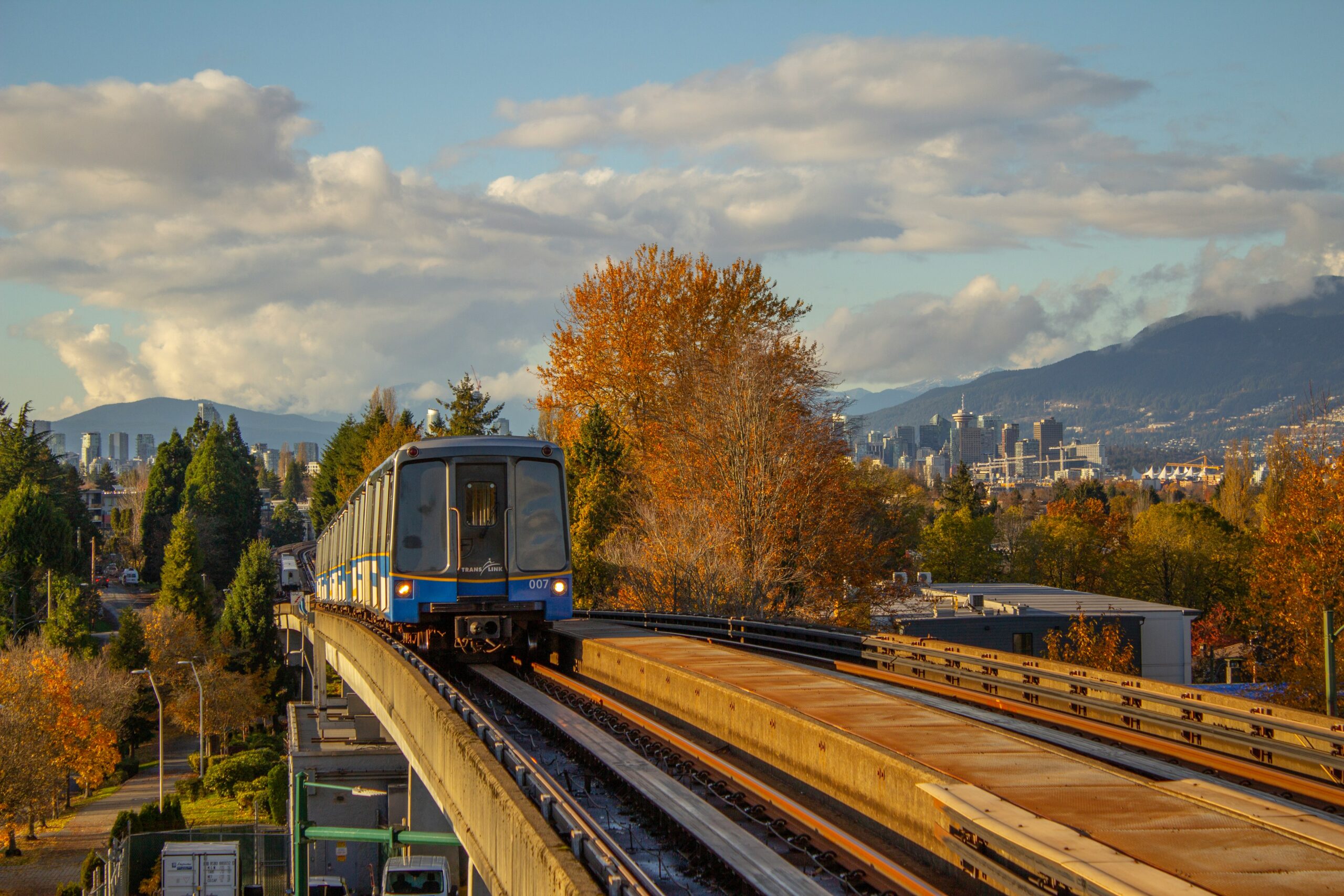
Welcome to Vancouver! If you are planning a visit to one of Canada’s most beautiful coastal cities, you might be wondering how to best navigate our bridges, bike lanes, and transit networks. Getting around Vancouver is relatively straightforward once you understand the city’s walking, cycling and public transit options.
At a Glance
The best way to get around Vancouver is by combining walking and public transit. Downtown Vancouver and the West End are highly walkable, while buses, SkyTrain and SeaBus connect visitors to the airport and attractions outside downtown. Most visitors do not need a rental car unless they are planning trips beyond the city.
Is Vancouver Easy to Explore on Foot?
Many first-time visitors are pleasantly surprised by just how compact Vancouver’s downtown peninsula truly is. The city centre is almost entirely flat, densely packed with amenities, and pedestrian-friendly.
Many destinations on the downtown peninsula are a 15- to 30-minute walk from one another, although walking times vary by starting point and route. If you find yourself in the heart of the city, dining, shopping and waterfront destinations are often within a 15- to 20-minute walk, depending on your starting point.
Choosing a central location to stay is a great way to ensure your trip is stress-free. The West End is widely considered the most convenient and laid-back neighbourhood for exploring on foot. By staying in the West End, you are perfectly positioned in a residential oasis that sits just steps away from the bustling corridors of Davie, Denman, and Robson Streets.
Do You Need a Rental Car in Vancouver?
Most visitors staying in downtown Vancouver do not need a rental car. Walking and public transit are usually more convenient for exploring downtown, the West End, Stanley Park, Granville Island and other central attractions.
Hotel and street parking in downtown Vancouver can be quite costly and spaces are often limited. With multiple bridges acting as choke points in and out of the city, rush hour traffic can easily eat into your vacation time. You should only consider renting a vehicle if you are planning multi-day trips deep into the mountains, heading up to Whistler, or exploring the far reaches of British Columbia. If you choose to drive, you can review parking options at our hotel on our Help Center’s parking information page.
How to Use Public Transit in Vancouver
Vancouver has an extensive public transit system used widely by residents and visitors. Operated by TransLink, the network connects downtown with YVR and destinations throughout Metro Vancouver.
How to Get from Vancouver Airport to Downtown
The Canada Line, part of Vancouver’s automated SkyTrain rapid-transit network, is usually the simplest public-transit option between Vancouver International Airport and downtown Vancouver.
How to Pay for Vancouver Public Transit
The transit system in Vancouver accepts various convenient payment methods, meaning you do not need to fumble for exact change.
- On buses, tap your card or mobile wallet when boarding; you do not need to tap out.
- On SkyTrain and SeaBus, tap at the beginning and end of the trip so the correct fare can be calculated.
- Always use the same card or mobile device throughout the trip.
- Each passenger needs a separate payment method or fare product. One credit card or mobile wallet generally should not be presented as a way to pay simultaneously for several travellers.
How Vancouver Transit Fares, Transfers and Zones Work
Vancouver public transit is relatively affordable. The price depends on the number of zones travelled and whether you pay by contactless payment, a Compass Ticket or Compass Stored Value. Compass Stored Value generally offers a lower fare than paying by credit card. Check TransLink’s current fare table before travelling. Trips departing YVR may include an additional airport charge, so check TransLink’s current AddFare information.
When you pay your fare, you have a 90-minute window to transfer seamlessly between buses, the SkyTrain, and the SeaBus without paying again. Bus trips are charged as one-zone travel regardless of how many geographic zones they cross. SkyTrain and SeaBus fares may depend on the number of zones travelled, although one-zone pricing applies across the system after 6:30 p.m. on weekdays and throughout weekends and holidays. Travellers should confirm current rules with TransLink. If you are unsure if a bus is heading toward your destination, transit operators can often help confirm whether you are boarding the correct route.
How to Get Around Vancouver by Bike
With dedicated, separated bike lanes winding through the downtown core and the spectacular 9-kilometre Stanley Park Seawall, Vancouver has plenty to offer for cyclists.
Mobi by Rogers is Vancouver’s public bike-share system, with classic bikes and e-bikes available from stations around the city. Passes and ride-time limits vary, so visitors should review the current pricing before choosing a plan. Mobi is particularly useful for short trips when both the starting point and destination are close to Mobi stations.
If you rent a bicycle, use a designated bicycle rack whenever possible and follow the rental company’s locking instructions. Never block sidewalks, building entrances, curb ramps or accessibility routes. Vancouver experiences bicycle theft, so use a high-quality lock and avoid leaving a rental bike unattended for extended periods. For Mobi, it must be returned to an authorized Mobi station rather than locked to an ordinary rack.
Buses have exterior bike racks, and bicycles are permitted on SkyTrain and SeaBus subject to capacity, station and time restrictions. Check TransLink’s current bicycle rules before travelling, particularly during peak periods.
Using Uber, Lyft and Taxis in Vancouver
If you are returning late from dinner in Yaletown or if you happen to catch one of our famous rainy afternoons, getting a ride is accessible and straightforward. Uber and Lyft are fully operational across Vancouver and the surrounding municipalities. Additionally, traditional taxis are heavily regulated and easily hailed from major streets or hotel lobbies.
Getting Around Vancouver in Rainy Weather
Vancouver is situated in a coastal rainforest, which is what keeps our city so beautifully lush and green. Vancouver generally receives less rain during the summer than during the fall and winter. Usually, it is a light drizzle that shouldn’t stop you from walking outside and enjoying yourself with an umbrella and comfortable boots.
Is Vancouver Safe to Walk Around at Night?
The West End is generally active and pedestrian-friendly, including during the evening. Like any major urban centre, it is always wise to practice standard city awareness. The downtown core features vibrant commercial districts, but some eastern pockets of the city, such as the Downtown Eastside, face complex urban challenges. Most visitors feel more comfortable remaining on well-travelled streets in the main tourism, shopping and dining areas.
Can You Visit Victoria from Vancouver in One Day?
Victoria can be visited from Vancouver in one day, but it makes for a long excursion. Reaching downtown Victoria typically requires travel to the ferry terminal, a ferry crossing and onward transportation from Swartz Bay. Visitors who want a relaxed experience should consider staying overnight rather than treating Victoria as a quick side trip.
Frequently Asked Questions About Getting Around Vancouver
Can you get around Vancouver without a car?
Yes. Downtown Vancouver and the West End are highly walkable, and public transit connects visitors with YVR, major attractions and destinations outside downtown. A rental car is generally unnecessary for a city-focused visit.
What is the best way to get around Vancouver?
The best way to get around Vancouver is by combining walking and public transit. Downtown and the West End are highly walkable, while buses, SkyTrain and SeaBus are convenient for longer trips. Cycling is also a good option for the Seawall and destinations connected by protected bike routes.
Is public transport expensive in Vancouver?
Vancouver public transit is relatively affordable. Fares depend on the number of zones travelled and how you pay. Compass Stored Value generally costs less than paying with a contactless credit card or mobile wallet. Check TransLink’s current fare table before travelling, as fares may change.
How do I get from YVR Airport to The Sunset Hotel Vancouver?
Take the Canada Line from YVR-Airport Station to Vancouver City Centre Station. From there, The Sunset is approximately a 20-minute walk or a short taxi or rideshare trip, depending on traffic. Travellers with luggage may prefer a taxi or rideshare for the final portion of the journey. Remember that an additional YVR fare may apply when leaving the airport by SkyTrain.
Can I pay for Vancouver transit with a credit card or phone?
Yes. Visitors can pay for buses, SkyTrain and SeaBus using an accepted contactless credit card or mobile wallet. On buses, tap when boarding. On SkyTrain and SeaBus, tap at the beginning and end of the trip using the same card or device. Each traveller needs a separate payment method or fare product.
Do I need a Compass Card when visiting Vancouver?
Not necessarily. Visitors can pay for buses, SkyTrain and SeaBus using an accepted contactless credit card or mobile wallet. A Compass Card may be worthwhile if you expect to take transit frequently because Stored Value fares are generally lower. Each traveller should use a separate payment method or fare product.
How do Vancouver transit transfers and fare zones work?
Fares generally provide a 90-minute transfer window. Bus travel is charged as onezone travel, regardless of the geographic zones crossed. SkyTrain and SeaBus fares may depend on the number of zones travelled, although one-zone pricing applies after 6:30 p.m. on weekdays and throughout weekends and holidays. Check TransLink’s current fare rules before travelling.
Is Vancouver public transit accessible for travellers with mobility needs?
TransLink provides accessible buses, SkyTrain, SeaBus and HandyDART services, but travellers with specific mobility requirements should review current accessibility information and elevator alerts before starting their trip.
Is the West End safe to walk around at night?
The West End is generally active and pedestrian-friendly, including during the evening. We recommend sticking to well-lit main streets like Davie and Denman.
What is the easiest way to reach Granville Island from downtown?
From downtown Vancouver, visitors can reach Granville Island by taking an Aquabus or False Creek Ferry, using local transit, or walking or cycling across the Granville Bridge and following the signed route to the island. The small passenger ferries are often the most convenient and scenic option from the waterfront.
Is Victoria an easy day trip from Vancouver?
Victoria can be visited from Vancouver in one day, but it makes for a long excursion. Visitors who want a relaxed experience should consider staying overnight.